When Preservation Goes Wrong
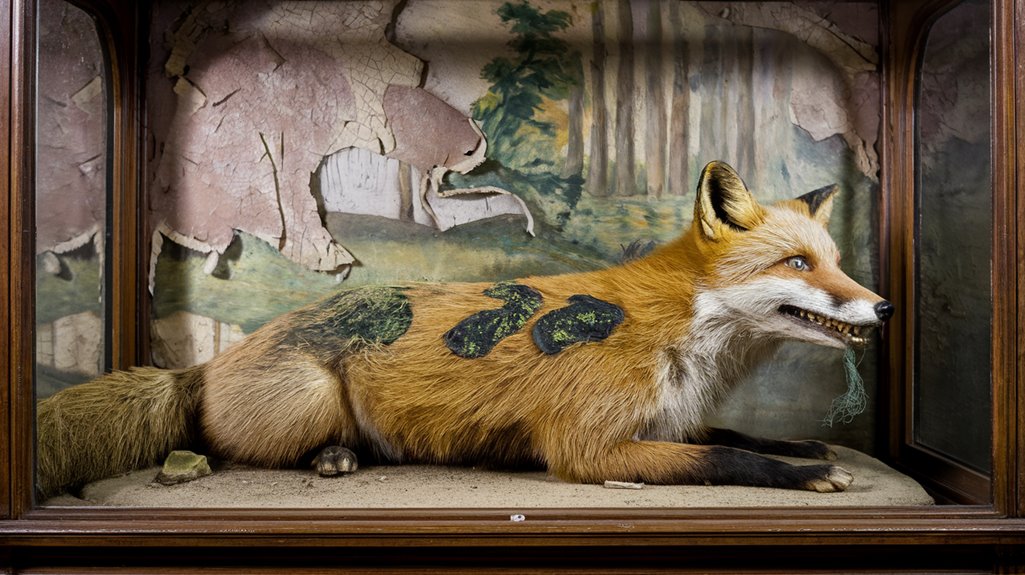
When preservation efforts fail, you’re likely to encounter issues like mold growth from trapped humidity, damage from harsh cleaning chemicals, or deterioration from improper temperature control. The good news is that many preservation mishaps can be prevented through proper monitoring systems, staff training, and quick response plans that address issues before they become severe. If you’re dealing with preservation problems, remember to document the damage, isolate affected items immediately, and don’t hesitate to contact professional conservators – there’s a whole world of expert solutions waiting to help protect your valuable items.
- Common mistakes
- Prevention strategies
- Recovery methods
- Expert insights
- Frequently Asked Questions
- How Long Can Preserved Items Remain Viable if Stored in Suboptimal Conditions?
- Can Mixing Different Preservation Methods Damage the Items Being Preserved?
- What Role Does Humidity Play in Preservation Compared to Temperature?
- Are There Specific Materials That Should Never Be Preserved Together?
- How Do Geographical Locations Affect Traditional Preservation Techniques?
- Conclusion
Common mistakes
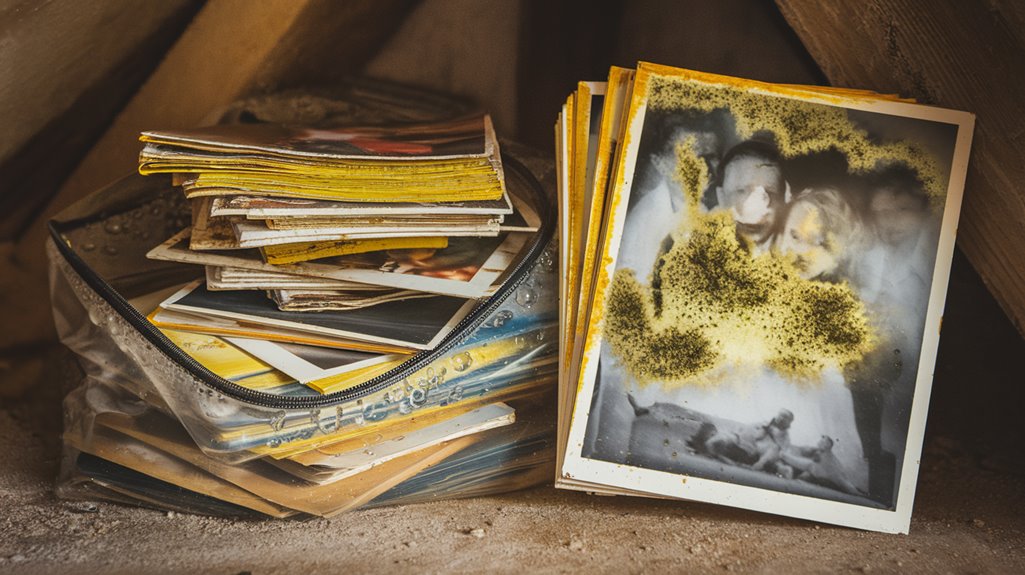
While preservation aims to protect valuable items, several common mistakes can actually accelerate deterioration.
You’ll find that these restoration mistakes often stem from good intentions but can lead to irreversible damage. Learning from these restoration lessons will help you protect your cherished items for generations to come.
You might be tempted to store your items in plastic bags or containers, but this can trap dampness and lead to mold growth.
It’s much better to use acid-free materials and guarantee proper air circulation.
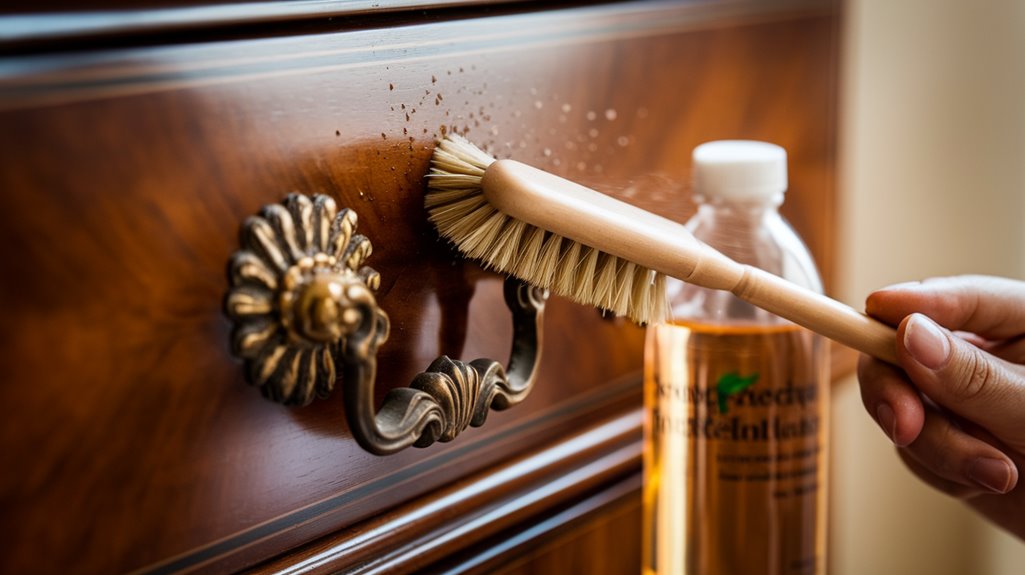
When you’re cleaning delicate items, you’ll want to avoid harsh chemicals that can cause permanent damage.
Instead, stick to gentle, preservation-approved cleaning solutions that won’t harm your treasured pieces.
Another mistake you’re likely to encounter is improper temperature and humidity control.
Don’t forget that dramatic fluctuations can cause warping, cracking, and deterioration of various materials.
You’ll likewise want to be careful about handling items with bare hands, as the oils from your skin can be damaging.
Remember to wear clean, cotton gloves when handling sensitive materials, and always support items properly to prevent structural stress.
Prevention strategies
Three essential strategies can help you avoid common preservation pitfalls. You’ll need to focus on education, monitoring, and quick response to guarantee your preservation efforts succeed. These steps will dramatically reduce your chances of experiencing preservation failures.
First, you’ll want to establish a solid monitoring system that tracks temperature, humidity, and light exposure. Using digital sensors and regular check-ins will help you spot preservation warnings before they become serious problems.
Don’t hesitate to invest in proper training for everyone who handles preserved items. You’ll find that well-trained staff members become your best defense against deterioration, as they’ll recognize issues early and respond appropriately.
Finally, you should create a detailed emergency response plan that outlines specific steps for various preservation emergencies. Your plan needs to include contact information for conservation experts, locations of emergency supplies, and step-by-step procedures for different scenarios.
Remember that quick action can often prevent minor issues from becoming major disasters, so keep your emergency supplies well-stocked and easily accessible. By following these strategies consistently, you’ll protect your valuable items and maintain their integrity for years to come.
Recovery methods
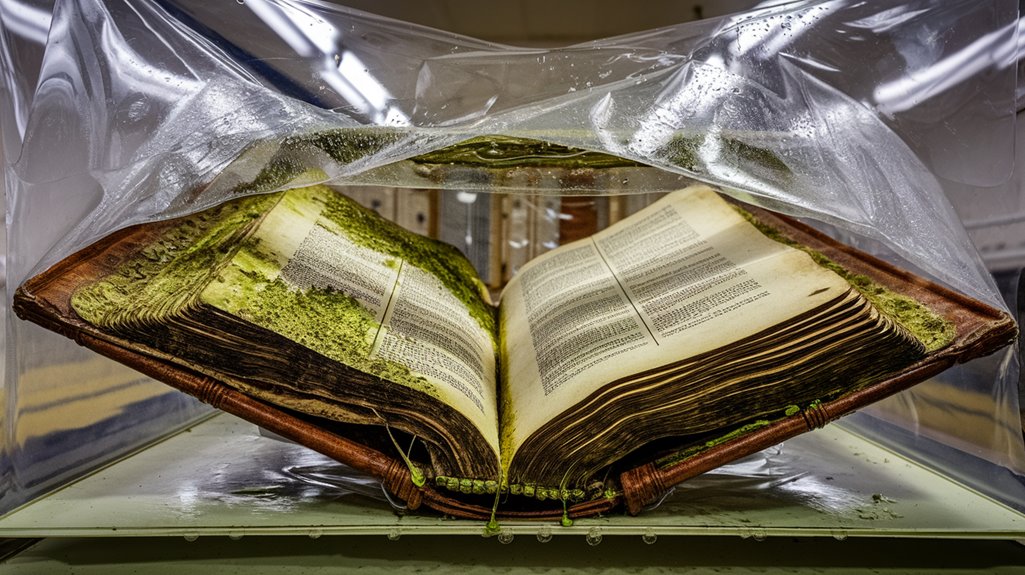
In spite of careful prevention, preservation failures can still occur. When you’re faced with restoration problems, don’t panic – there are effective solutions available.
You’ll find that most conservation mistakes can be addressed with the right approach and tools.
When you identify damage to your preserved items, you’ll want to act quickly but thoughtfully. First, document everything with photos and detailed notes before you begin any recovery work.
You can often resolve minor issues, like slight mold growth or minor water damage, on your own. Nevertheless, for serious problems, you’ll need to contact a professional conservator who’s trained in handling these delicate situations.
Here’s what you’ll need to do immediately: isolate affected items to prevent further damage, control the environment by adjusting temperature and humidity, and gather appropriate supplies.
If you’re dealing with water damage, you’ll want to use fans and dehumidifiers, while pest problems require careful inspection and targeted treatment methods.
Expert insights
You can learn valuable lessons from past failed restoration attempts that’ll help you avoid similar mistakes. Experts want you to understand that prevention is always better than correction.
When you’re facing a preservation challenge, don’t hesitate to reach out to experienced professionals who’ve seen it all.
They’ll tell you that most damage occurs when well-meaning individuals rush into restoration without proper research or expertise.
These specialists have witnessed countless preservation mistakes that could’ve been avoided with proper consultation and planning.
You’ll benefit from their experience, as they can guide you through proper techniques, material selection, and environmental controls that’ll protect your valuable items.
Frequently Asked Questions
How Long Can Preserved Items Remain Viable if Stored in Suboptimal Conditions?
You’ll find that storage conditions dramatically affect how long your preserved items stay good!
In ideal situations, most properly preserved foods can last 1-2 years, but when you’re dealing with suboptimal conditions, that timeline shrinks significantly.
Heat, humidity, and temperature fluctuations can cut shelf life by 50-75%, so you might only get 3-6 months from items that should’ve lasted years, and you’ll want to check regularly for signs of spoilage.
Can Mixing Different Preservation Methods Damage the Items Being Preserved?
Yes, you’ll want to be careful about mixing preservation methods, as they can definitely work against each other!
When you combine different techniques, such as using both salt and vinegar preservation, you’re risking chemical reactions that could spoil your food faster.
Instead, it’s best to stick with one proven method for each item you’re preserving, and you’ll find that your preserves will stay fresh and safe much longer.
What Role Does Humidity Play in Preservation Compared to Temperature?
You’ll find that humidity and temperature work together like movement partners in preservation!
While temperature controls the speed of decay, humidity’s role is just as essential – it affects how much dampness objects absorb or lose.
Too much humidity can trigger mold growth and cause materials to warp or swell, while too little can make items brittle and crack.
That’s why you’ll want to maintain both factors within ideal ranges for your specific preservation needs.
Are There Specific Materials That Should Never Be Preserved Together?
Yes, you’ll definitely want to keep certain materials separated during preservation!
Never store metals with photographs or papers, as they can cause chemical reactions and deterioration.
You should likewise keep rubber bands and paper clips away from documents, as they’ll leave damaging marks over time.
It’s best to separate acidic materials (like newspaper) from other papers, and don’t store leather next to textiles – they don’t play well together!
How Do Geographical Locations Affect Traditional Preservation Techniques?
“Location, location, location” isn’t just a real estate motto – it’s essential for preservation too!
Your geographical location hugely impacts how you’ll need to preserve items, as humidity, temperature, and altitude all play vital roles.
If you’re near the coast, you’ll battle salt air and higher dampness levels, while desert dwellers face extreme temperature swings and arid conditions.
You’ll need to adjust your preservation methods based on your local climate to guarantee your items stay protected.
Conclusion
You’ve now got an arsenal of preservation knowledge that’ll save you from total disaster! Whether you’re dealing with a million moldy photos or battling against time itself, you’re equipped to handle preservation challenges like a pro. Remember, it’s better to prevent catastrophes than to recover from them, but if things do go wrong (and sometimes they spectacularly do!), you’ve got the tools and know-how to set things right.